

Expert Bush Trimming Enhancing Shape, Growth, Health, and Overall Landscape Appearance
Bushes and shrubs may seem like simple landscape elements, but they play a major role in defining a property’s visual structure, balance, and long-term health. When they grow unchecked, they quickly lose their form, crowd nearby plants, and become vulnerable to disease and dieback. At Oasis Lawncare, LLC, we understand how proper trimming transforms these natural elements into strong, clean, and visually appealing features. With 29 years of experience caring for outdoor environments, we approach bush trimming with precision, intention, and an understanding of plant behavior that comes only from years in the field.
We serve Springfield, Missouri, as well as surrounding areas including Nixa, Ozark, Republic, and Battlefield, where changing weather patterns create varied growth conditions throughout the year. Heavy spring moisture encourages rapid expansion, intense summer heat stresses plant structures, and fall brings dense foliage and debris. Each season influences how bushes grow, thicken, and respond to trimming. The Ozarks’ unique environment—with its mixture of shaded tree zones, open sunlit yards, and distinct neighborhood microclimates—makes regular bush trimming essential for maintaining shape, airflow, and plant vitality.
Our approach to bush trimming focuses on creating clean lines, improving structural health, and encouraging controlled, sustainable growth. Well-trimmed shrubs support better airflow, reduce pest issues, and shape the overall presentation of the landscape. Whether maintaining hedges, sculpting foundation plantings, or restoring overgrown shrubs, we work to enhance both appearance and long-term plant strength. Bush trimming is more than cosmetic—it prevents damage, protects surrounding plants, and gives landscapes a refined sense of order.
Our Bush Trimming Services
Routine Shrub Shaping
Routine shaping preserves clean lines, enhances symmetry, and maintains consistent structure across the landscape. Regular trimming controls growth, prevents overcrowding, and supports plant health. This service keeps shrubs visually appealing throughout the year, contributing to a balanced landscape that complements surrounding features and maintains strong long-term form.
Height and Size Reduction
Size reduction trims shrubs back to manageable proportions without compromising plant health. Controlled cuts limit overgrowth, protect surrounding structures, and prevent shrubs from becoming unbalanced. This service encourages dense, healthy regrowth while ensuring shrubs remain functional, safe, and visually appropriate for their placement within the property.
Selective Pruning for Health
Selective pruning removes damaged, crossing, or diseased branches to enhance plant strength and airflow. Precision cuts encourage new growth and improve long-term plant durability. This method strengthens shrubs by targeting problem areas and restoring overall health while reducing future risks associated with weakened or failing limbs.
Hedge Line Maintenance
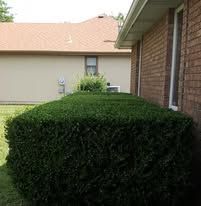
Hedge maintenance ensures clean, uniform lines and consistent hedge height. Careful trimming prevents patchiness, reinforces structural shape, and encourages dense foliage throughout the hedge. This service helps maintain privacy, improves curb appeal, and ensures hedges remain crisp, evenly formed, and structurally sound across all seasons.
Overgrowth Restoration
Restorative trimming restructures overgrown shrubs suffering from neglect or lack of maintenance. The process reduces excessive bulk, opens the interior canopy, and guides plants back toward balanced form. Overgrowth restoration revitalizes plant health, improves appearance, and supports renewed growth after extended periods of unmanaged development.
Seasonal Shrub Care
Seasonal trimming supports shrubs through environmental changes, adjusting growth patterns and maintaining shape as temperatures shift. This service removes seasonal debris, prevents cold- or heat-related stress, and prepares plants for upcoming growth phases. Seasonal care ensures shrubs stay healthy, stable, and visually consistent throughout yearly cycles.
Benefits of Professional Bush Trimming
Improved Plant Health
Professional trimming removes dead, diseased, or damaged branches that weaken shrubs. Clearing these areas improves airflow, allows more sunlight to reach inner growth, and reduces pest exposure. Consistent trimming strengthens plant structure, encourages new growth, and supports long-term vitality that keeps shrubs stable throughout changing seasons.
Enhanced Curb Appeal
Bush trimming improves landscape appearance by creating clean lines, uniform shapes, and visually balanced arrangements. Well-maintained shrubs contribute to an organized, polished outdoor setting that elevates the property’s overall presentation. Neat, symmetrical trimming helps highlight architectural features and supports a more welcoming and professional exterior aesthetic.
Controlled and Balanced Growth
Trimming prevents overcrowding by managing branch spread and density. Controlled shaping ensures each shrub develops evenly and does not overshadow nearby plants. Balanced growth enhances structural integrity and prevents weak, top-heavy limbs that may break or cause long-term imbalance within the landscape’s overall layout.
Increased Sunlight and Air Circulation
Reducing excess foliage opens up the shrub canopy, allowing more sunlight and airflow to reach inner branches. Improved circulation reduces moisture retention that leads to mold or disease. This environmental balance enhances plant resilience and encourages stronger, healthier development throughout the growing season and beyond.
Reduced Pest and Disease Risks
Overgrown shrubs trap moisture and shelter insects, rodents, or fungal issues. Removing dense pockets of growth reduces these risks by creating cleaner structural spaces. Consistent trimming prevents conditions that attract pests and supports shrubs that remain healthy, pest-resistant, and less prone to disease-related decline.
Protection of Surrounding Features
Unmanaged shrubs can rub against siding, block walkways, and overwhelm nearby plants. Trimming restores controlled boundaries, preventing branches from damaging property features or restricting movement. Maintaining proper clearance protects structures, enhances visibility, and improves outdoor functionality while keeping the landscape neat and easily navigable.
Thoughtful Bush Trimming Promoting Balance, Health, Structure, and Improved Outdoors
Bush trimming is essential for creating landscapes that look refined, grow correctly, and remain structurally sound throughout the year. At Oasis Lawncare, LLC, our trimming services in Springfield, Missouri focus on strengthening plant health, restoring clean form, and preventing long-term issues caused by overcrowding or neglected growth. We approach every shrub with attention to its natural shape, growth patterns, and seasonal demands, using precise techniques that support healthier development. Proper trimming improves airflow, reduces pest risks, and enhances overall landscape clarity. Our work reflects a commitment to care, intention, and long-term outdoor stability.
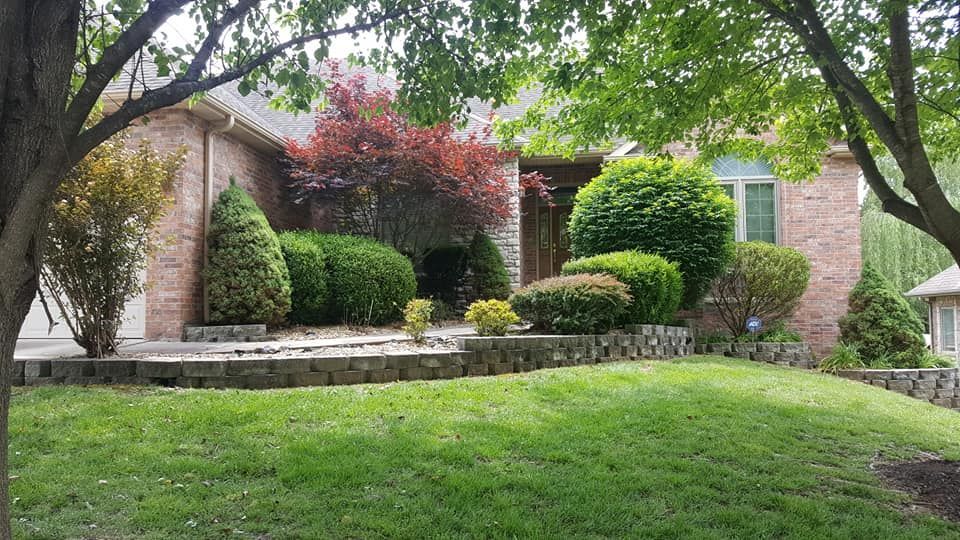
When shrubs receive consistent and thoughtful maintenance, they become reliable landscape anchors that elevate curb appeal and protect surrounding features. Choosing our trimming service means investing in plant longevity, visual balance, and a more polished outdoor environment.
BENEFITS 1
Insert content
BENEFITS 2
Insert content
BENEFITS 3
Insert content
FAQ's
Got Questions? We’ve Got Answers.
How often should shrubs be trimmed?
Shrubs typically need trimming once or twice a year, depending on species, growth rate, and seasonal conditions. Plants that grow quickly or become dense may require more frequent maintenance. Regular trimming improves health, enhances structure, and prevents overgrowth that restricts airflow or damages surrounding features.
What is the difference between pruning and trimming?
Pruning focuses on removing damaged, diseased, or structurally weak branches to support plant health. Trimming shapes the outer growth to improve appearance and maintain form. Both processes are important, and using them together helps shrubs remain strong, balanced, and visually appealing throughout seasonal changes and growth cycles.
Can trimming help prevent pest problems?
Yes. Overgrown shrubs create hiding places for pests and trap moisture that promotes disease. Trimming removes these problem areas, improves airflow, and reduces habitat opportunities for insects or rodents. Healthy, well-maintained shrubs are less vulnerable to infestations and remain more resilient under shifting environmental conditions.
Will trimming harm the shrubs?
When trimming is performed correctly and at the right time of year, it supports healthier shrubs by encouraging stronger growth and better structure. Excessive or poorly timed trimming may cause stress, but thoughtfully executed cuts—such as those provided by Oasis Lawncare, LLC in Springfield, Missouri—promote resilience, balanced branches, and improved foliage.
Why do shrubs become overgrown?
Shrubs grow rapidly when environmental conditions are favorable, including high moisture, fertile soil, and consistent sunlight. Without regular trimming, branches expand outward and upward, crowding nearby plants and blocking airflow. Overgrowth often begins subtly but quickly affects shape, health, and structural stability.
Can trimming improve flowering?
Yes. Many flowering shrubs produce fuller, healthier blooms after proper trimming. Removing unproductive or aging growth encourages new shoots that support stronger blossoms. Timing is especially important, allowing the next season’s flowers to develop correctly and ensuring long-lasting color and vitality across shifting seasonal cycles in the Springfield area.
What happens if bushes are never trimmed?
Without trimming, shrubs become dense, uneven, and vulnerable to pests and disease. Overgrown branches restrict airflow, weaken internal structure, and may damage nearby features. Plants lose their natural form and may decline in health over time. Routine trimming preserves strength, shape, and long-term landscape harmony.
When is the best time to trim shrubs?
The ideal trimming time depends on the shrub species and its blooming cycle. Many shrubs benefit from late-winter or early-spring trimming, while flowering varieties may require post-bloom maintenance. Proper timing ensures plants recover quickly, develop stronger growth, and respond well to seasonal changes throughout the year.